Housing quality and safety are important considerations for anyone responsible for maintaining a residential property. When a home or housing unit is connected to a HUD-related program, understanding the condition of important building components can help owners, managers, and residents prepare for inspections and address potential concerns.
A HUD housing inspection checklist can serve as a useful preparation tool for reviewing visible and accessible areas of a property. While the exact inspection requirements depend on the applicable HUD program and current standards, a systematic review can help identify maintenance issues before an official inspection takes place.
HUD-related housing inspections are designed to evaluate whether applicable housing conditions and standards are being met. The specific requirements can vary depending on the property, program, funding arrangement, and inspection standard that applies.
A property review may consider areas such as:
Property owners should always verify the current requirements applicable to their specific HUD program rather than relying on a generic checklist alone.
Preparing for an inspection is not simply about passing a review. Regular property maintenance can help identify problems before they become expensive or create safety concerns.
A structured inspection checklist can help property owners organize maintenance activities and prioritize visible issues.
For example, owners can review:
Addressing routine maintenance issues promptly can contribute to a safer and better-maintained property.
The outside of a property is an important part of overall housing condition.
Property owners can review accessible exterior areas for:
Look for visible signs of roof deterioration, damaged materials, clogged gutters, and drainage problems.
Water should be directed away from the structure whenever possible. Standing water near the foundation can contribute to additional building concerns.
Exterior doors and windows should be maintained in functional condition. Look for damaged frames, broken glass, deteriorated seals, or operational problems.
Check siding, stucco, masonry, and other exterior surfaces for visible deterioration or damage.
Walkways, stairs, porches, and other access areas should be maintained and kept free from unnecessary hazards.
Handrails and guardrails should also be reviewed where applicable.
Interior areas should be reviewed room by room. Property owners can look for conditions such as:
Bathrooms and kitchens deserve particular attention because they contain plumbing fixtures and are exposed to moisture.
Visible plumbing leaks can lead to property damage and may create additional maintenance concerns.
Check accessible areas around:
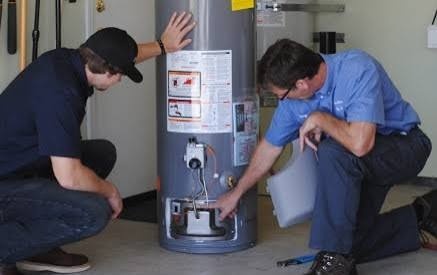
Water heaters should also be maintained according to applicable requirements and manufacturer recommendations.
If a plumbing problem is identified, a qualified plumber may be needed for further evaluation or repair.
Electrical safety is another important consideration. Property owners can review accessible electrical components for obvious concerns.
Potential issues include:
Electrical repairs should be performed by appropriately qualified professionals. Property owners should never attempt repairs involving hazardous electrical components without the required expertise.
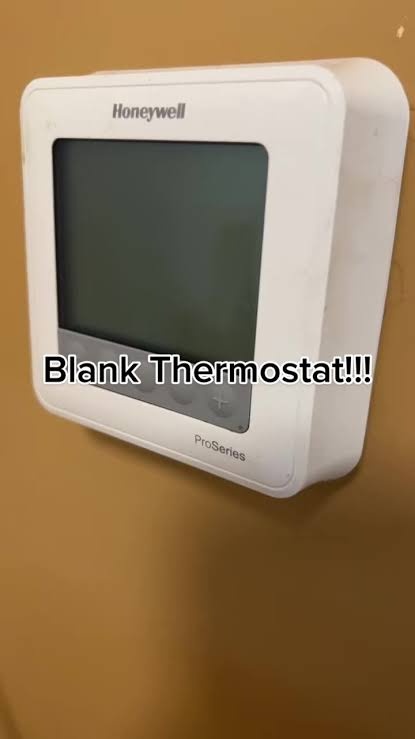
Heating and cooling equipment can be an important part of maintaining acceptable living conditions.
A maintenance review can include:
Regular professional HVAC maintenance can help identify problems before equipment failure occurs.
Kitchens and bathrooms contain many components that require regular maintenance.
A HUD housing inspection checklist should include a review of visible:
Water leaks and inadequate ventilation should be addressed promptly because moisture can contribute to deterioration and other building concerns.
Safety conditions deserve special attention during property preparation.
Depending on the applicable requirements, owners may need to review:
The exact requirements can vary by property and program, so owners should verify the current standards that apply to their housing.
Moisture problems can affect both building materials and indoor environmental conditions.
Property owners should investigate visible:
Simply cleaning a visible area without correcting the source of moisture may not resolve the underlying problem.
When significant moisture or suspected mold conditions are identified, an appropriate specialist may be needed.
For multifamily housing, preparation may extend beyond individual units. Common areas such as hallways, stairs, entrances, mechanical spaces, and shared facilities may also require attention depending on the applicable inspection program.
Property managers should establish regular maintenance schedules and document completed work.
Good recordkeeping can include:
A proactive review can be completed several weeks before a scheduled inspection. This provides time to address routine concerns rather than discovering everything at the last minute.
A practical process is:
This approach can make property maintenance more organized and predictable.
A private property inspection can help owners identify observable conditions before an official inspection, although it does not replace an official HUD inspection or guarantee compliance.
A qualified inspector can review accessible components and provide a written report documenting conditions that may require attention.
For properties with specialized concerns, additional professionals may be necessary, including electricians, plumbers, HVAC technicians, roofers, or structural specialists.
Housing standards and inspection practices can evolve, making it important for property owners and managers to use current information. A checklist should therefore be treated as a preparation tool rather than a substitute for official requirements.
A professional HUD housing inspection checklist can help organize a property's review by focusing attention on major systems, safety conditions, interior and exterior components, and routine maintenance.
Preparing a property for a HUD-related inspection is easier when maintenance is handled proactively throughout the year. Owners and managers should not wait until an inspection date is approaching to discover basic repair needs.
A structured HUD housing inspection checklist can help identify visible concerns involving roofing, plumbing, electrical systems, HVAC equipment, safety features, interior areas, exterior components, and moisture conditions.
Most importantly, property owners should confirm the current requirements for their specific HUD program and address significant problems through appropriately qualified professionals. Consistent maintenance, accurate documentation, and timely repairs can contribute to safer, better-maintained housing in 2026 and beyond.

This post has been authored and published by one of our premium contributors, who are experts in their fields. They bring high-quality, well-researched content that adds significant value to our platform.









Photography Shots is your source for photography tips, camera guides, editing tutorials, and creative inspiration. Capture moments, tell stories, and improve your photography skills.