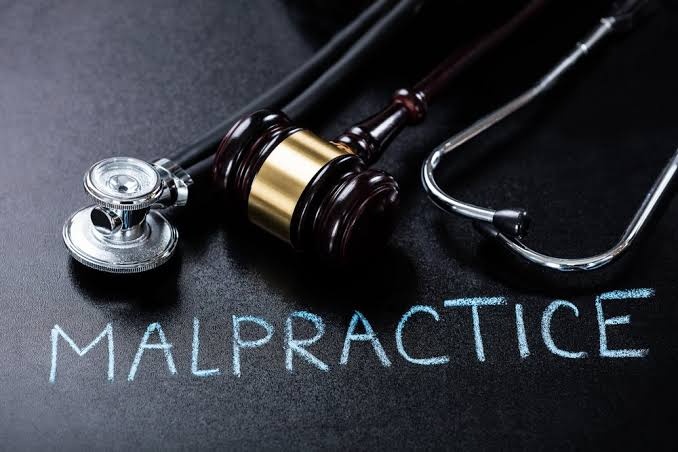
Anesthesia allows patients to undergo many medical procedures without experiencing the full discomfort of surgery. It is an essential part of modern medicine, but it also requires careful preparation, precise dosing, continuous monitoring, and effective communication among healthcare professionals.
When something goes wrong with anesthesia, the consequences can be serious. A medication mistake, inadequate monitoring, failure to review a patient's medical history, or delayed response to a complication may result in significant injury.
Patients and families dealing with unexpected harm may have questions about whether the complication was an unavoidable risk or whether a preventable error contributed to the outcome. Understanding the circumstances surrounding the event can help clarify what happened and what options may be available.
When negligence is suspected, an anesthesia malpractice lawyer can help review the medical evidence and explain the legal considerations that may apply.
Anesthesia malpractice generally involves negligent conduct by an anesthesia professional or another healthcare provider that results in patient harm. Anesthesia care involves several important stages, including reviewing medical history, selecting appropriate medications, administering anesthesia, monitoring vital signs, and managing the patient during recovery.
Potential errors may include:
These examples do not automatically establish malpractice. Medical procedures carry inherent risks, and complications can sometimes occur even when appropriate care is provided.
Anesthesia affects vital body functions, including breathing, blood pressure, heart rate, and consciousness. Because of this, certain mistakes can develop into medical emergencies if they are not recognized and addressed quickly.
Depending on the circumstances, a patient may experience respiratory problems, neurological injuries, cardiovascular complications, aspiration, allergic reactions, or other serious conditions.
The severity of an injury may depend on factors such as the patient's health, the type of procedure, the medication involved, and how quickly the complication was identified.
Some patients may require additional hospitalization or rehabilitation, while severe injuries can lead to long-term disability and substantial changes to daily life.
Anesthesia safety begins before a procedure takes place. Healthcare professionals generally need relevant information about a patient's medical history, medications, allergies, previous reactions to anesthesia, and other health factors.
Accurate information can help anesthesia professionals identify potential risks and determine an appropriate approach.
Communication is particularly important when several healthcare providers are involved. A patient's medication list or medical history may need to be reviewed and updated before surgery.
If important information is overlooked, the resulting treatment decisions may create additional risks.
Continuous monitoring is an important part of anesthesia care. Depending on the procedure and the patient's condition, healthcare professionals may monitor oxygen levels, blood pressure, heart rate, breathing, and other vital signs.
The ability to recognize an abnormal change and respond appropriately can be critical.
Monitoring does not end immediately when surgery is completed. Patients may remain vulnerable during recovery as the effects of anesthesia and medications wear off.
A detailed review of anesthesia records, vital-sign documentation, medication administration, and recovery-room notes can help establish what occurred.
Medical records are often central to an investigation involving suspected anesthesia negligence. Relevant documents may include preoperative evaluations, anesthesia charts, medication records, surgical notes, monitoring data, nursing documentation, and discharge information.
Patients should also preserve records concerning additional treatment, medical expenses, rehabilitation, missed work, and other consequences of the injury.
In 2026, electronic medical systems can provide extensive documentation about patient care. Digital records may contain timestamps, medication orders, monitoring information, and communications that help establish a detailed sequence of events.
Anesthesia cases can involve highly technical medical questions. A review by qualified medical experts may be necessary to determine whether the care provided was consistent with applicable professional standards.
Experts may evaluate the patient's medical history, medications, anesthesia records, vital signs, and treatment timeline. They may also consider whether an alleged error contributed to the patient's injury.
This analysis is important because an unexpected complication does not necessarily mean that negligent care occurred.
Modern anesthesia practice incorporates sophisticated monitoring systems, electronic records, medication-management tools, and standardized safety procedures.
These technologies can help healthcare professionals identify changes in a patient's condition and reduce certain types of preventable mistakes. However, technology remains a support tool rather than a replacement for professional judgment.
Errors can still occur when information is entered incorrectly, warnings are overlooked, equipment is not used appropriately, or communication breaks down.
As healthcare technology continues to evolve, electronic documentation can also play an increasingly important role when reconstructing what happened during a procedure.
Patients who experience serious or unexplained harm during or after anesthesia may want to discuss their circumstances with an experienced medical malpractice attorney.
A legal professional can review available records, identify potential issues, consult appropriate medical experts, and explain the legal process that may apply to the situation.
A careful investigation is especially important because malpractice claims generally require more than proof that an injury occurred. The available evidence must be evaluated to determine whether the standard of care was breached and whether that breach caused the patient's harm.
An unexpected anesthesia complication can leave patients facing additional medical treatment, financial expenses, and uncertainty about their recovery.
The first priority should always be obtaining appropriate medical care. Once immediate health concerns have been addressed, patients can preserve relevant records and document the effects of the injury.
If preventable negligence may have contributed to serious harm, an anesthesia malpractice lawyer can help the patient understand the circumstances and evaluate potential legal options.
Every case is different. A thorough review of medical records, expert opinions, and the patient's resulting damages can provide a clearer understanding of what happened and what steps may be appropriate next.

This post has been authored and published by one of our premium contributors, who are experts in their fields. They bring high-quality, well-researched content that adds significant value to our platform.










Photography Shots is your source for photography tips, camera guides, editing tutorials, and creative inspiration. Capture moments, tell stories, and improve your photography skills.
