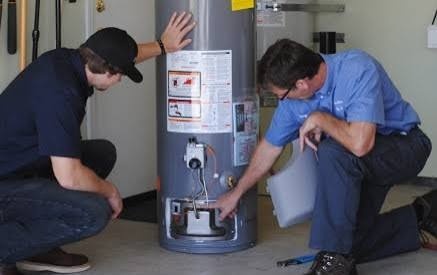
Hot water is an essential part of everyday life. From morning showers and washing dishes to laundry and household cleaning, a dependable water heater plays an important role in maintaining comfort and convenience. When the system begins producing inconsistent temperatures, making unusual noises, or leaking water, ignoring the problem can turn a minor issue into a costly disruption.
Professional Water Heater Repair Services can help homeowners identify the source of a problem and determine whether a repair is practical. With modern water-heating technology continuing to evolve in 2026, professional diagnosis is also important for deciding whether an existing system should be repaired, maintained, or replaced with a newer model.
Water heaters can develop different problems depending on their age, design, maintenance history, and operating conditions. Some warning signs are easy to recognize, while others may develop gradually.
Common water heater issues include:
Recognizing these signs early gives homeowners an opportunity to have the equipment inspected before the problem becomes more serious.
Water heaters can involve electrical, plumbing, heating, gas, and safety components, depending on the system. Attempting to repair unfamiliar components without the appropriate expertise can create additional equipment or safety concerns.
A professional technician can inspect the system and identify the actual source of the malfunction.
A typical diagnostic evaluation may involve checking:
Once the problem has been identified, the technician can explain the available repair options.
A complete loss of hot water can have several causes. Electric water heaters may experience heating-element or thermostat problems, while gas and tankless systems have their own potential causes.
It is important not to assume that the entire water heater needs to be replaced simply because it has stopped producing hot water.
Professional diagnosis can determine whether a particular component has failed or whether the equipment has a larger underlying problem.
A water heater that produces hot water inconsistently may be experiencing a problem with its heating components, controls, water flow, or overall capacity.
Temperature fluctuations can be especially frustrating when several household members need hot water at the same time.
A technician can evaluate system performance and determine whether a repair, adjustment, maintenance procedure, or replacement is appropriate.
Popping, cracking, or rumbling sounds are common warning signs that deserve attention. In tank-style water heaters, sediment can accumulate at the bottom of the tank over time.
When water is heated around accumulated sediment, it can contribute to unusual sounds and potentially affect system performance.
Professional maintenance can determine whether sediment buildup is involved and whether flushing or another service procedure is appropriate for the equipment.
Persistent or increasingly loud noises should be professionally evaluated.
Water around a water heater can come from several sources, including connections, valves, drains, or the tank itself.
A leaking tank can indicate significant corrosion or deterioration and may eventually require replacement. Smaller leaks from connections or components may be repairable.
Because water leaks can cause property damage, homeowners should arrange professional inspection promptly when they notice unexpected water around the equipment.
Tankless water heaters provide hot water differently from traditional storage systems, but they still require professional maintenance and repair.
Potential problems can include:
Because tankless equipment uses specialized components, professional diagnosis can help identify the underlying issue and avoid unnecessary part replacement.
A malfunctioning water heater may consume more energy than necessary. Problems involving heating elements, controls, sediment, or other components can affect the equipment's performance.
Repairing the underlying issue may help restore proper operation when the system is otherwise in good condition.
However, homeowners should also consider equipment age. If an older unit requires repeated repairs, investing in continued service may not always be the most economical long-term choice.
One of the most important questions homeowners face is whether to repair the existing equipment or replace it.
Repair may make sense when:
Replacement may be worth considering when:
A professional evaluation can help homeowners compare the short-term repair cost with the long-term value of replacement.
Modern water heaters are increasingly incorporating smart technology. Depending on the model, connected systems may provide features such as:
These features can give homeowners greater insight into equipment operation and make managing hot water more convenient.
However, smart controls cannot replace physical inspection and maintenance when a mechanical or electrical problem occurs.
Regular maintenance can help identify developing problems and support reliable water heater performance.
Depending on the system, maintenance may involve:
Homeowners should follow the manufacturer's recommended maintenance schedule and have qualified professionals perform service when required.
When searching for Water Heater Repair Services, homeowners should choose a provider with experience working with different water-heating technologies.
Look for a professional who offers:
A trustworthy technician should diagnose the actual problem before recommending a replacement.
A malfunctioning water heater can quickly disrupt a household's daily routine. Fortunately, many problems can be addressed when they are identified early.
Professional Water Heater Repair Services can help homeowners diagnose heating problems, resolve leaks, address temperature fluctuations, and determine whether repair or replacement is the better option.
In 2026, newer water-heating technologies are also giving homeowners more choices, including tankless systems, high-efficiency equipment, and smart-connected models. The right solution depends on household demand, equipment condition, installation requirements, and long-term operating considerations.
Instead of waiting for a complete failure, homeowners can pay attention to warning signs and schedule professional service when performance changes. Timely repairs and appropriate maintenance can help protect the equipment, reduce unexpected disruptions, and keep reliable hot water available when it is needed most.

This post has been authored and published by one of our premium contributors, who are experts in their fields. They bring high-quality, well-researched content that adds significant value to our platform.









Photography Shots is your source for photography tips, camera guides, editing tutorials, and creative inspiration. Capture moments, tell stories, and improve your photography skills.
