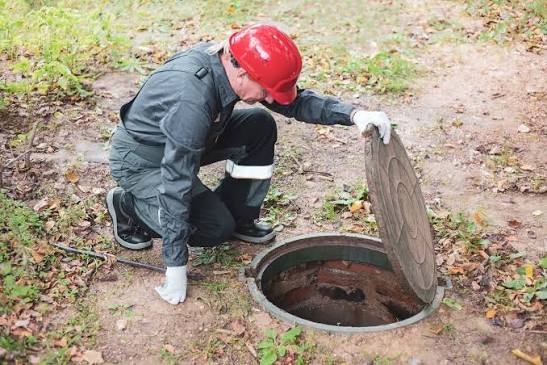
For many Florida homeowners, a septic system quietly handles one of the most important jobs on the property. When everything is working properly, it is easy to forget about the tank, drain field, pumps, and other components underground. However, problems with a septic system can quickly become expensive and disruptive.
That is why a septic tank inspection is an important part of responsible homeownership, particularly when buying, selling, or maintaining a property in 2026.
A septic tank inspection is a professional evaluation of a property's septic system to determine its overall condition and identify potential concerns. Depending on the property and inspection scope, the evaluation can include the septic tank, pumps, alarms, filters, baffles, absorption area, treatment components, and drain field.
Unlike a quick visual check around the property, a professional inspection is designed to identify conditions that may not be obvious to a homeowner.
This can be especially important because many septic components are underground. A system can appear perfectly normal from the surface while developing problems beneath the ground.
Homeowners are becoming increasingly focused on preventive maintenance and avoiding unexpected repair costs. A septic system is no exception.
Scheduling a septic tank inspection can help homeowners understand the condition of their system before a minor concern becomes a major problem.
For buyers, an inspection can provide valuable information before committing to a property. For sellers, identifying septic issues early can reduce surprises during the transaction and make it easier to address repairs before closing.
Regular inspections can also support long-term maintenance by helping homeowners recognize when professional servicing may be necessary.
A comprehensive inspection may evaluate several important components of the system.
The tank is one of the most important components of the system. Inspectors may evaluate its condition, construction material, size, accessibility, and visible signs of deterioration or damage.
Properties with pump systems rely on mechanical components to move wastewater appropriately. Pumps, floats, controls, and alarms should be evaluated to determine whether they are operating as intended.
Filters and baffles help control how wastewater moves through the septic tank and toward the drain field. Damaged, missing, or poorly maintained components can contribute to system problems.
The drain field plays a critical role in wastewater treatment. An inspection can look for conditions that may indicate poor drainage, excessive saturation, surface wastewater, or other concerns.
Understanding the materials and approximate dimensions of the tank and drain field can help homeowners better understand their property's septic system and future maintenance requirements.
Some septic problems provide noticeable warning signs. Slow drains, unpleasant odors, unusually wet areas of the yard, sewage backups, or unusually lush vegetation around portions of the drain field can all justify further evaluation.
However, homeowners should not wait for obvious symptoms before arranging an inspection.
A septic system may continue functioning while developing an underlying issue. By the time wastewater backs up into a home or sewage becomes visible in the yard, the problem may already require significant attention.
There are several situations when a septic tank inspection makes sense.
A septic inspection can give prospective buyers more information about an important property system before completing a purchase. This can be particularly valuable for older homes or properties where maintenance records are limited.
Sellers can benefit from identifying potential septic concerns before putting a property on the market. Addressing problems early may help prevent unexpected complications later in the transaction.
Homeowners should consider periodic professional evaluations rather than treating septic inspections as something that only happens during a real estate transaction.
Older properties can have aging tanks, drain fields, pumps, or other components. A professional inspection can help establish a clearer picture of the system's current condition.
Florida properties can present unique challenges for wastewater systems because of environmental conditions, soil characteristics, groundwater levels, weather, and heavy rainfall.
Homeowners should also remember that landscaping and daily household habits can affect septic performance. Excessive water usage, improper disposal of materials, and driving or constructing over portions of the drain field can create unnecessary stress on the system.
Understanding the property's septic layout and maintaining the system appropriately can help reduce avoidable problems.
Some homeowners postpone inspections because they view them as an additional expense. In reality, professional evaluation can be a valuable investment in protecting the property.
A septic tank inspection may uncover issues before they become significantly more expensive to repair. It can also give homeowners greater confidence when planning maintenance, purchasing a property, or preparing a home for sale.
Most importantly, an inspection provides information. Knowing the condition of a septic system allows homeowners to make informed decisions instead of reacting to an unexpected failure.
A septic system is an essential part of many Florida homes, but much of it operates out of sight. That makes professional evaluation particularly important.
Whether you are purchasing a home, preparing to sell, managing an older property, or simply trying to stay ahead of maintenance, a septic tank inspection can provide useful insight into the condition of the system.
In 2026, smart homeowners are taking a more proactive approach to property maintenance. Understanding the condition of your septic system today can help you avoid unpleasant surprises tomorrow and protect one of the most important systems serving your home.

This post has been authored and published by one of our premium contributors, who are experts in their fields. They bring high-quality, well-researched content that adds significant value to our platform.










Photography Shots is your source for photography tips, camera guides, editing tutorials, and creative inspiration. Capture moments, tell stories, and improve your photography skills.