A business can have a great product, an attractive website and a strong team, but none of that matters much if potential customers cannot find it. This is one reason digital marketing has become such an important part of business growth.
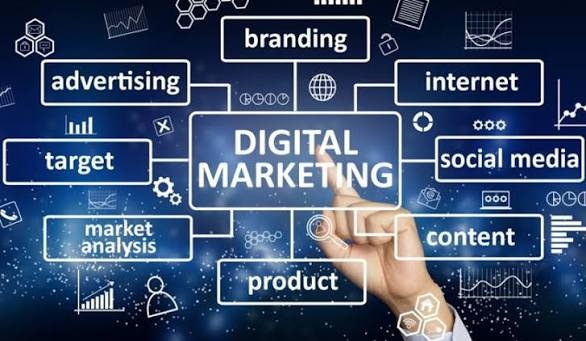
The challenge is that digital marketing is not one single activity. It includes search engines, social media, paid advertising, content, email, websites and several other channels. For a business owner trying to decide where to invest, understanding a digital marketing services list is a good place to start.
The right combination depends on the business, its audience and its goals. A local service provider may need a strong local SEO strategy, while an online store may place more emphasis on paid advertising, content and conversion optimisation.
Digital marketing covers the methods businesses use to promote their products or services through digital channels. Some activities are designed to attract new visitors, while others focus on converting existing visitors into customers.
The main services generally include search engine optimization, social media marketing, content marketing, pay-per-click advertising, email marketing and lead generation. Website development and conversion optimisation can also play an important supporting role.
Rather than treating these services as unrelated tasks, businesses can connect them into a broader marketing strategy.
SEO is one of the most important long-term digital marketing activities for businesses that depend on online search.
The goal is not simply to add keywords to a website. Effective SEO involves understanding what potential customers search for, creating useful pages around those topics, improving technical website performance and building the site's authority.
For a local business, SEO may also involve location-based searches and maintaining accurate business information across relevant platforms.
Unlike paid advertising, organic search visibility can continue generating traffic without paying for every individual click. However, SEO usually requires consistent work and should be viewed as a long-term investment rather than a quick solution.
Social media gives businesses an opportunity to communicate with customers in a more direct and informal environment.
The appropriate platform depends on the audience. A company selling visually appealing products may benefit from platforms such as Instagram or TikTok, while a B2B company may find LinkedIn more valuable.
Successful social media marketing involves more than publishing promotional posts every day. Useful educational content, behind-the-scenes material, customer stories, short videos and responses to audience questions can help a brand build a more genuine presence.
The important thing is to have a reason for using each platform rather than trying to maintain an identical strategy everywhere.
Good content answers questions that potential customers are already asking.
This can include blog articles, guides, case studies, videos, infographics, newsletters and other useful resources. A company providing IT services, for example, might publish content explaining network security, cloud solutions or common technology problems.
Content can also support other marketing channels. A well-written article may attract organic search traffic, provide material for social media and give sales teams something useful to share with prospects.
The strongest content is usually created for people first and search engines second. If an article provides a genuinely useful answer, it has a better chance of earning attention.
Paid search can provide faster visibility than waiting for organic rankings.
Google Ads allows businesses to place advertisements in front of people searching for specific products and services. This can be particularly useful when a company wants to generate enquiries for a high-value service or promote a specific product.
However, paid advertising can become expensive when campaigns are poorly targeted. Keyword selection, ad copy, location targeting, bidding, landing pages and conversion tracking all influence campaign performance.
Businesses should therefore measure more than clicks. Leads, sales and customer acquisition costs provide a much clearer picture of whether advertising is actually working.
Email remains useful because it gives businesses a direct communication channel with people who have already shown interest.
It can be used for newsletters, product announcements, follow-ups, educational content, special offers and customer retention campaigns.
The quality of the email list matters considerably. Sending irrelevant messages too frequently can cause people to unsubscribe, while useful and well-timed communication can keep a business in a customer's mind.
Personalisation can also improve the experience. A new customer does not necessarily need to receive the same message as someone who has been purchasing from a company for several years.
For service-based businesses, traffic alone is not the final objective. They need enquiries from people who are actually interested in buying.
Lead generation strategies can combine SEO, paid advertising, social media, landing pages, forms, email campaigns and other channels to attract potential customers.
The quality of leads matters as much as quantity. Receiving hundreds of irrelevant enquiries may consume more time than it creates value. Marketing teams should therefore work with sales teams to identify what a qualified lead actually looks like.
A digital marketing campaign can bring thousands of visitors to a website, but the website still needs to convince those visitors to take action.
Clear navigation, useful information, fast loading times, mobile usability and straightforward calls to action can all influence conversions.
A visitor looking for a specific service should not have to search through several pages to understand what a company offers or how to contact it.
This is why website performance should be considered alongside the wider digital marketing services list, rather than treated as a completely separate concern.
Not every business needs every marketing channel at once.
A sensible starting point is to identify the primary objective. Is the business trying to increase local visibility, generate leads, sell products online, build brand awareness or retain existing customers?
The next step is to understand where the target audience spends time and how they make purchasing decisions.
For some businesses, SEO and content may provide the strongest long-term foundation. Others may need paid search to generate immediate enquiries while their organic presence develops. Social media and email can then support customer engagement and retention.
The best strategy is usually the one that connects these activities instead of treating each service as an isolated campaign.
One of the advantages of digital marketing is the amount of data available.
Businesses can track website traffic, search visibility, engagement, leads, conversions, advertising costs and other performance indicators. But having more data does not automatically mean better decisions.
The metrics should relate to the business objective. A company focused on lead generation should pay attention to qualified enquiries and cost per lead, not simply the number of website visitors.
Regular reporting can also reveal which channels deserve more investment and which activities need to be adjusted.
Digital marketing works best when different channels support one another. SEO can bring long-term organic visibility, content can answer customer questions, social media can build engagement, paid advertising can capture immediate demand, and email can help maintain customer relationships.
There is no universal formula that works for every company. Reviewing a digital marketing services list is useful, but the real objective should be choosing the services that match the company's audience, budget and growth goals.
A focused strategy with measurable objectives will usually deliver more value than trying to be everywhere at once. When businesses understand what each digital marketing service is designed to accomplish, they can make better decisions about where to spend their time and marketing budget.

This post has been authored and published by one of our premium contributors, who are experts in their fields. They bring high-quality, well-researched content that adds significant value to our platform.











Photography Shots is your source for photography tips, camera guides, editing tutorials, and creative inspiration. Capture moments, tell stories, and improve your photography skills.