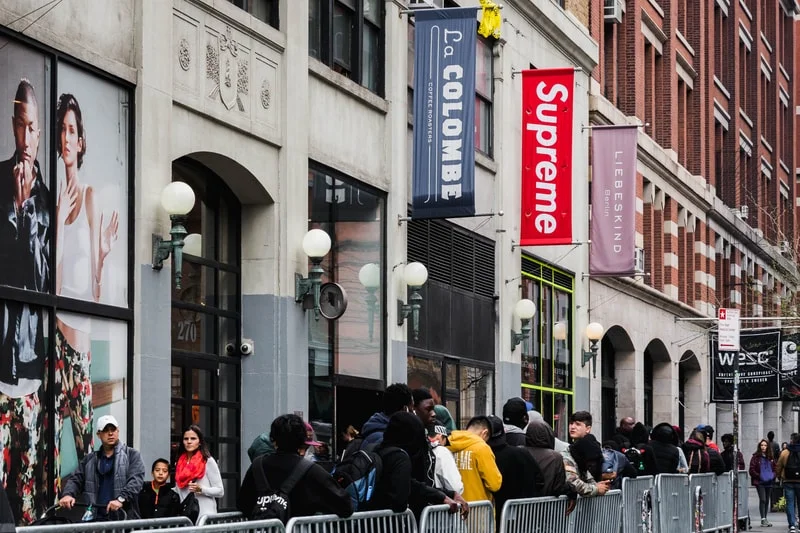
A practical wardrobe should make dressing easier as temperatures, routines, and activities change throughout the year. Streetwear offers a flexible foundation because many of its familiar pieces can be combined in different ways. T-shirts, sweatshirts, relaxed trousers, lightweight jackets, and comfortable trainers provide options for a variety of everyday situations. Instead of buying a completely new collection every season, people can focus on garments that work together and adapt through thoughtful layering. This approach makes personal style easier to maintain while helping each item deliver more value over time.
Seasonal planning begins with understanding the weather and activities that shape everyday life. Warmer months may call for lightweight fabrics and breathable tops, while colder conditions require additional layers and more protective outerwear. Transitional periods can be less predictable, making adaptable clothing especially useful. A lightweight jacket worn over a simple T-shirt may work during a mild afternoon, while a sweatshirt provides extra warmth later in the day. Considering these changes before choosing an outfit helps create combinations that remain comfortable without sacrificing visual consistency.
Streetwear continues to evolve through the interaction of music, art, independent design, and everyday urban experiences. These influences encourage people to combine familiar clothing with distinctive graphics, unusual proportions, and individual accessories. Urban environments also place practical demands on clothing because people often walk, commute, and move between different indoor and outdoor settings. As a result, adaptable layers and comfortable footwear remain important parts of many wardrobes. Personal style develops when these practical needs are balanced with the colours, designs, and silhouettes that reflect individual preferences.
Supreme London provides a useful reference for considering how city culture can influence everyday clothing choices. London's changing weather encourages flexible layering, while its varied creative communities offer inspiration through music, architecture, art, and independent fashion. A relaxed outfit might combine a graphic top with straight-leg trousers and trainers, while a lightweight overshirt adds structure when needed. These combinations demonstrate how practical clothing can still express personality. The most useful ideas are those that can be adapted to individual routines rather than copied without considering comfort, climate, or personal taste.
Every year-round wardrobe benefits from a dependable selection of basic garments. Plain T-shirts, comfortable trousers, neutral sweatshirts, and versatile outerwear can support numerous combinations. Colours such as black, grey, cream, olive, and navy make coordination easier because they work with many other shades. Once these foundations are in place, a few distinctive items can introduce variety. A graphic shirt, patterned layer, or colourful accessory may change the character of an outfit without requiring an entirely new combination of clothing.
Fabric choice can influence how comfortable an outfit feels throughout the day. Lightweight materials are often useful in warmer conditions, while thicker fabrics can provide additional warmth when temperatures fall. Layering allows people to adjust their clothing gradually instead of relying on one heavy garment. It is also important to consider how materials feel against the skin and how they should be maintained. Checking product information and care labels helps set realistic expectations about warmth, texture, and cleaning. These details can make a noticeable difference when choosing clothes for regular use.
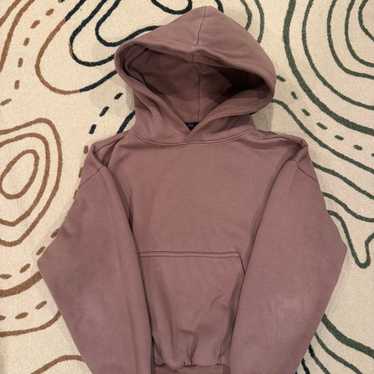
The Supreme Hooded Sweatshirt illustrates how a familiar casual garment can remain relevant across different seasons. During mild weather, it may work as an outer layer over a lightweight T-shirt. When temperatures fall, it can be worn beneath a suitable jacket or coat. Colour and fit influence how easily it coordinates with other pieces, while graphic details can give the outfit a stronger visual identity. Selecting a design that complements existing trousers and outerwear helps make the garment more versatile, especially when building a wardrobe around a limited number of dependable items.
Layering becomes more effective when each garment contributes something useful to the overall outfit. A lightweight base layer provides comfort, a sweatshirt adds warmth, and an outer jacket offers protection from changing conditions. Differences in texture and shape can also create visual depth. For example, a structured jacket can balance a relaxed top, while straight-leg trousers provide a clean foundation. It is worth checking how the layers fit together before leaving home, particularly when wearing several pieces. The aim is to remain comfortable without creating unnecessary bulk.
Colour coordination makes seasonal dressing easier because it helps different garments work together. Neutral shades create a stable foundation, while brighter colours can introduce contrast and personality. During warmer months, lighter tones may create a fresh appearance, whereas deeper shades can feel suitable for colder weather. However, these are options rather than strict rules. A bright sweatshirt can work in winter, and darker clothing can be equally effective during summer when the fabric suits the temperature. Choosing colours according to personal preference makes the wardrobe more flexible and individual.
Supreme Clothing fits into the broader idea of creating a wardrobe that combines visual identity with everyday usefulness. Practical garments support regular activities, while distinctive prints, shapes, and accessories allow personal taste to remain visible. The balance depends on individual needs. Someone who prefers understated clothing may choose neutral basics and subtle details, while another person may enjoy bold graphics and contrasting colours. Both approaches can work when garments coordinate well and suit the wearer's routine. A useful wardrobe should provide enough flexibility to explore different looks without becoming difficult to manage.
Changing weather can make outfit planning challenging, especially during spring and autumn. Lightweight jackets, overshirts, and sweatshirts offer flexible options because they can be added or removed as conditions change. Carrying a compact outer layer may also be useful when rain or cooler temperatures are possible. Footwear deserves attention because wet or slippery conditions can affect comfort and practicality. Checking the forecast before choosing an outfit helps identify which layers are necessary. Small adjustments can prevent discomfort while allowing the overall combination to remain consistent with personal style.
A versatile garment becomes more valuable when it works across several combinations. A plain T-shirt may be worn alone during warmer weather or beneath an overshirt when temperatures drop. Relaxed trousers can pair with trainers for a casual daytime look, while a cleaner jacket creates a slightly more structured appearance. Accessories provide another way to introduce variety without adding many garments. By experimenting with these combinations, people can discover fresh outfits using pieces they already own rather than assuming that a different look always requires a new purchase.
A Supreme Hoodie can be styled differently depending on the climate and planned activities. In cooler conditions, it can sit beneath a coat with jeans and comfortable trainers. During milder weather, wearing it with lightweight trousers may be enough without additional outerwear. The weight of the fabric matters because a thick design may feel uncomfortable on warmer days. Neutral colours offer flexibility, while distinctive graphics can provide a focal point. Considering these details before purchasing makes it easier to choose a garment that fits both personal taste and everyday needs.
An organised wardrobe makes seasonal transitions less stressful. Keep frequently worn items easy to reach and group garments according to type or practical use. When the weather changes, move suitable layers into convenient positions and store clothing that is temporarily less useful without allowing it to become forgotten. Reviewing the wardrobe also helps identify missing essentials and garments that no longer fit personal preferences. This process encourages more thoughtful shopping because it becomes easier to see what is already available and which items could create additional combinations.
Proper care helps clothing maintain its appearance and usefulness over time. Always follow the instructions provided on garment labels, especially for printed designs, heavier fabrics, and items with decorative details. Clean clothing should be stored in a dry space, while seasonal pieces should be checked before being put away for longer periods. Repairing small issues when possible may extend the life of a favourite garment. These simple habits support a more organised wardrobe and reduce the need to replace items simply because they have not been maintained properly.
Shopping decisions become more effective when they are based on actual wardrobe needs. Before purchasing a garment, consider the climate, frequency of use, fit, care requirements, and compatibility with existing pieces. A versatile jacket that works with several outfits may be more useful than an item that suits only one combination. That does not mean avoiding expressive designs. Instead, aim for a balance between dependable essentials and pieces that reflect individual interests. Thoughtful purchasing helps create a wardrobe that feels varied while remaining practical and manageable.
Personal style becomes easier to maintain when clothing choices reflect genuine preferences rather than temporary trends. Some people gravitate towards minimalist combinations, while others enjoy graphic designs, vintage references, or relaxed oversized silhouettes. Seasonal changes provide opportunities to experiment with these preferences through different layers, fabrics, and colours. Keeping a few reliable garments at the centre of the wardrobe creates consistency, while accessories and statement pieces add variation. Over time, these choices help establish a recognisable style that can adapt naturally to changing weather and routines.
A year-round streetwear wardrobe does not need to be extensive to offer variety. A carefully chosen selection of basics, adaptable layers, practical footwear, and expressive pieces can support numerous combinations across different seasons. Planning around the weather, considering garment care, and choosing complementary colours make everyday dressing more efficient. Most importantly, clothing should suit the person wearing it and the activities that shape daily life. By balancing comfort, versatility, and individual creativity, anyone can build a wardrobe that remains useful throughout the year without losing its distinctive character.

The Barbas Hats team shares practical fashion ideas and styling inspiration for incorporating hats into everyday outfits.







Photography Shots is your source for photography tips, camera guides, editing tutorials, and creative inspiration. Capture moments, tell stories, and improve your photography skills.
