Changing seasons can make everyday outfit planning more challenging. A combination that feels comfortable during a warm afternoon may not provide enough coverage when temperatures drop, while heavier clothing can become uncomfortable when the weather turns mild. Building a wardrobe that adapts to these changes helps you maintain a consistent personal style without replacing your entire collection every few months.
Paly offers a useful starting point for exploring everyday streetwear through the idea of versatility. Rather than treating each season as a completely separate fashion category, focus on garments that can work across different temperatures with a few adjustments. Comfortable basics, practical outerwear, coordinated colors, and thoughtful layering can help you create outfits that feel appropriate throughout the year while reflecting your individual preferences.
Layering is one of the most practical techniques for adapting streetwear to changing weather. It allows you to add or remove clothing as temperatures shift, making it useful during spring mornings, autumn evenings, and unpredictable days. A simple tee can serve as a base, while an overshirt, sweatshirt, or lightweight jacket provides additional coverage when needed.
The key is to choose layers that work together in terms of fit, weight, and color. A bulky combination may restrict movement, while pieces with complementary proportions create a more balanced appearance. Start with a comfortable base layer and add one garment at a time. This approach makes it easier to maintain comfort without losing the relaxed character associated with contemporary street fashion.
Warm weather calls for clothing that feels comfortable during outdoor activities and everyday errands. Lightweight tees, breathable trousers, casual shorts, and suitable sneakers can create practical outfits without excessive layering. Simple silhouettes are especially useful because they allow you to introduce personality through colors, graphics, or accessories.
When choosing summer clothing, consider the garment's construction and the care information provided by the manufacturer. Different fabrics behave differently in warm conditions, so checking product details is more reliable than assuming every lightweight-looking item will feel the same. Select fits that allow comfortable movement and avoid unnecessary layers when the temperature makes them impractical.
Colors can change the mood of an outfit without requiring a completely different wardrobe. Lighter shades may feel appropriate for spring and summer, while darker tones and earthy colors often work well during autumn and winter. These are flexible styling ideas rather than strict rules, so your personal preferences should remain the priority.
Palyhollywood can be incorporated into this wider approach to seasonal streetwear by focusing on combinations that feel coordinated throughout the year. For example, a neutral tee can work with light trousers during warmer months and with dark denim and a jacket when the weather becomes cooler. Keeping several colors consistent across your wardrobe makes seasonal transitions easier and gives individual garments more styling possibilities.
Sweatshirts are useful transitional garments because they offer more coverage than a tee without always requiring a heavy jacket. They can be worn on their own during mild conditions or layered beneath outerwear when temperatures fall. Their relaxed appearance also makes them easy to combine with denim, cargo trousers, and casual footwear.
Choose a sweatshirt with a fit that suits your usual style and leaves enough room for comfortable layering. Neutral options can coordinate with many outfits, while graphic designs provide an opportunity to introduce more personality. Consider how the sweatshirt works with your existing trousers and jackets before adding it to your collection. A versatile choice is more likely to remain useful across several seasons.
A dependable jacket can make a major difference when building a wardrobe for changing weather. Lightweight jackets and overshirts can provide coverage during mild conditions, while warmer outerwear becomes useful when temperatures drop further. The right option depends on your local climate, daily activities, and preferred silhouette.
Look for outerwear that complements the clothing you already own. A neutral jacket may work with several tops and trousers, making it a practical choice for frequent use. Pay attention to fit, fastening, pocket placement, and care requirements. These details affect both the appearance and usefulness of the garment, particularly when you expect to wear it regularly.
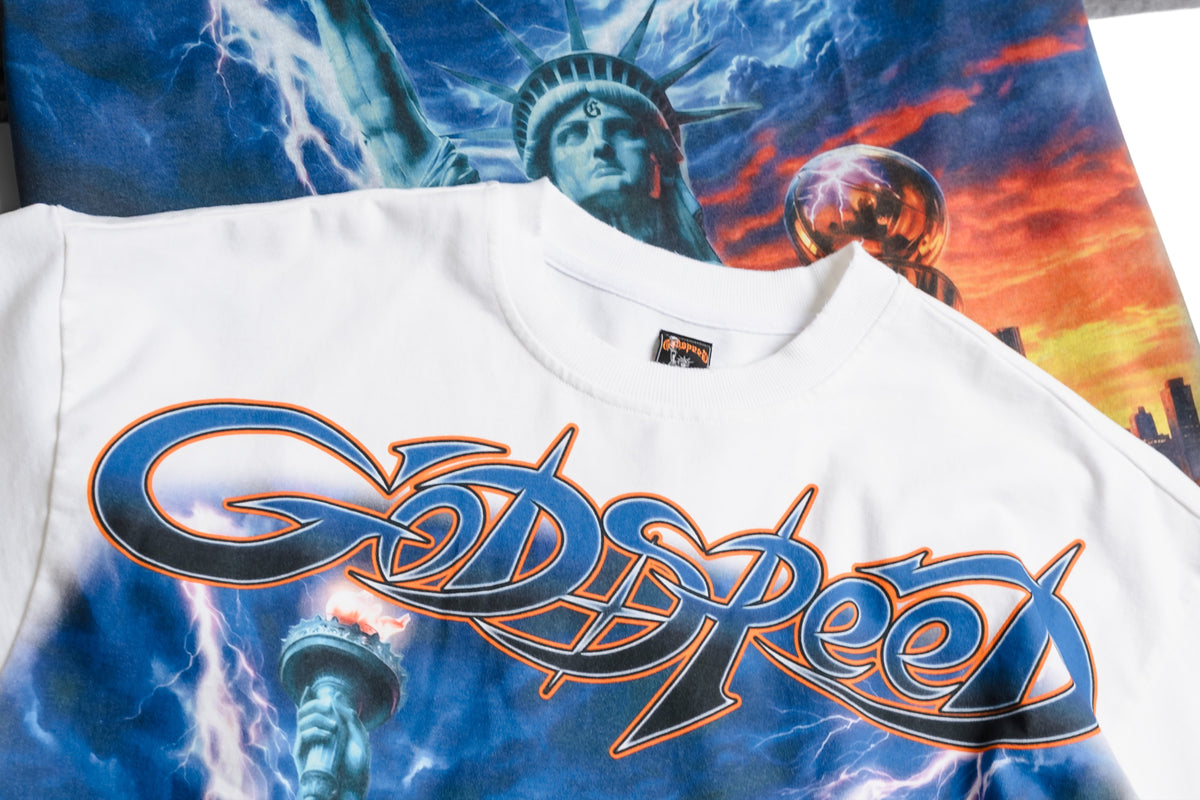
Graphic tees are often associated with warm weather, but they can remain useful throughout the year when styled with appropriate layers. During mild conditions, wear one with jeans and sneakers. When temperatures fall, add an open overshirt, a sweatshirt, or a suitable jacket while keeping the graphic visible where possible.
A Paly Hollywood T Shirt can serve as a versatile base for these combinations, depending on its design, fit, and material. For a relaxed autumn outfit, pair it with straight-leg denim and an overshirt. During colder weather, wear it beneath a sweatshirt or jacket when the layers feel comfortable together. This approach allows you to continue using familiar clothing rather than setting aside entire categories when the season changes.
The lower half of an outfit deserves just as much consideration as the upper layers. Denim and casual trousers can work across much of the year, while shorts may be more practical during warmer conditions. The best choices depend on the temperature, planned activities, and how comfortable the garments feel during movement.
Consider how different trouser shapes interact with your footwear and outer layers. Straight-leg denim creates a familiar foundation, while relaxed cargo pants introduce a more utilitarian influence. Shorts can work with simple tees and lightweight tops when the weather permits. By choosing versatile colors and cuts, you can coordinate your lower-body clothing with several tops instead of needing a different outfit for every temperature change.
Accessories can provide both practical benefits and visual interest. Caps and sunglasses may be useful during sunny weather, while scarves and suitable hats can add coverage in colder conditions. Bags can help carry an extra layer when the temperature changes throughout the day.
Choose accessories according to your needs rather than adding them automatically. A simple cap can complement a graphic tee and sneakers, while a compact bag can make a day out more convenient. During cooler months, an accessory with a complementary texture or color can help connect the different layers of an outfit. Small details often make seasonal styling feel more intentional without adding much complexity.
A little organization can make changing seasons less stressful. Keep frequently used basics accessible and store clothing that is unsuitable for the current weather in a clean, dry place. Before moving items into storage, follow their care labels and make sure they are clean and completely dry.
Review your collection before buying new seasonal pieces. You may already own suitable garments that can be combined differently or brought back into regular use. Identify genuine gaps, such as a missing lightweight jacket or comfortable pair of trousers, and prioritize those needs. This process helps reduce unnecessary purchases and makes it easier to see the options available in your existing wardrobe.
Regular garment care helps maintain the usefulness of a seasonal wardrobe. Follow washing and drying instructions, particularly for graphic designs, delicate materials, and structured outerwear. Appropriate storage can also help prevent unnecessary wear while clothing is not being used.
After wearing heavier garments, allow them to air out when appropriate before storing them. Check pockets, fasten closures, and follow any special care instructions for jackets or other structured items. Taking these steps helps keep clothing ready for the next change in weather. Well-maintained basics are easier to style repeatedly and can remain useful for longer.
Build outfits around versatile basics and adjust them with suitable layers, outerwear, footwear, and accessories. Consider the weather and your activities before choosing each combination.
Tees, sweatshirts, overshirts, lightweight jackets, versatile trousers, and comfortable sneakers can provide flexibility when temperatures change throughout the day.
Yes. A graphic tee can be worn beneath a sweatshirt, overshirt, or jacket. Choose layers that provide enough warmth for the conditions and allow comfortable movement.
Review your existing wardrobe, identify pieces that work across different temperatures, and create new combinations through layering. Purchase additional items only when they fill a genuine need.
Seasonal streetwear becomes easier to manage when your wardrobe is built around adaptable essentials rather than clothing reserved for a single time of year. Layering, coordinated colors, versatile trousers, and practical outerwear can help familiar garments work in different conditions. Accessories and graphic details provide additional ways to refresh your appearance without making your wardrobe unnecessarily large.
The most effective approach is to choose clothing that supports your routine and reflects your preferences. By planning combinations ahead of time, caring for your garments, and making thoughtful purchases, you can maintain a comfortable personal style throughout the year. A flexible wardrobe gives you more opportunities to experiment while keeping everyday dressing practical and enjoyable.

The Barbas Hats team shares practical fashion ideas and styling inspiration for incorporating hats into everyday outfits.






Photography Shots is your source for photography tips, camera guides, editing tutorials, and creative inspiration. Capture moments, tell stories, and improve your photography skills.
